Content
Info
First
Second
I will present you with excerpts from my academic works.
I will introduce my methods of graphic work through a range of personal and commissioned examples.
E-Mail
patrick.mackens@posteo.de

Patrick Mackens
I am a Student of Sociology and Art History with experience in procedural 3D art and design, sound design and music production as well as in curatorial practice leading a community gallery offspace. I am researching in science and technology studies on theories of media aesthetics and virtual materiality. The scope of my investigation includes psychodynamics of digital economic processes and the emergence of unstable subjectivities from the interactions between contingent technological and cultural change.
First
Second
I will present you with excerpts from my academic works.
I will introduce my methods of graphic work through a range of personal and commissioned examples.
E-Mail
patrick.mackens@posteo.de
"
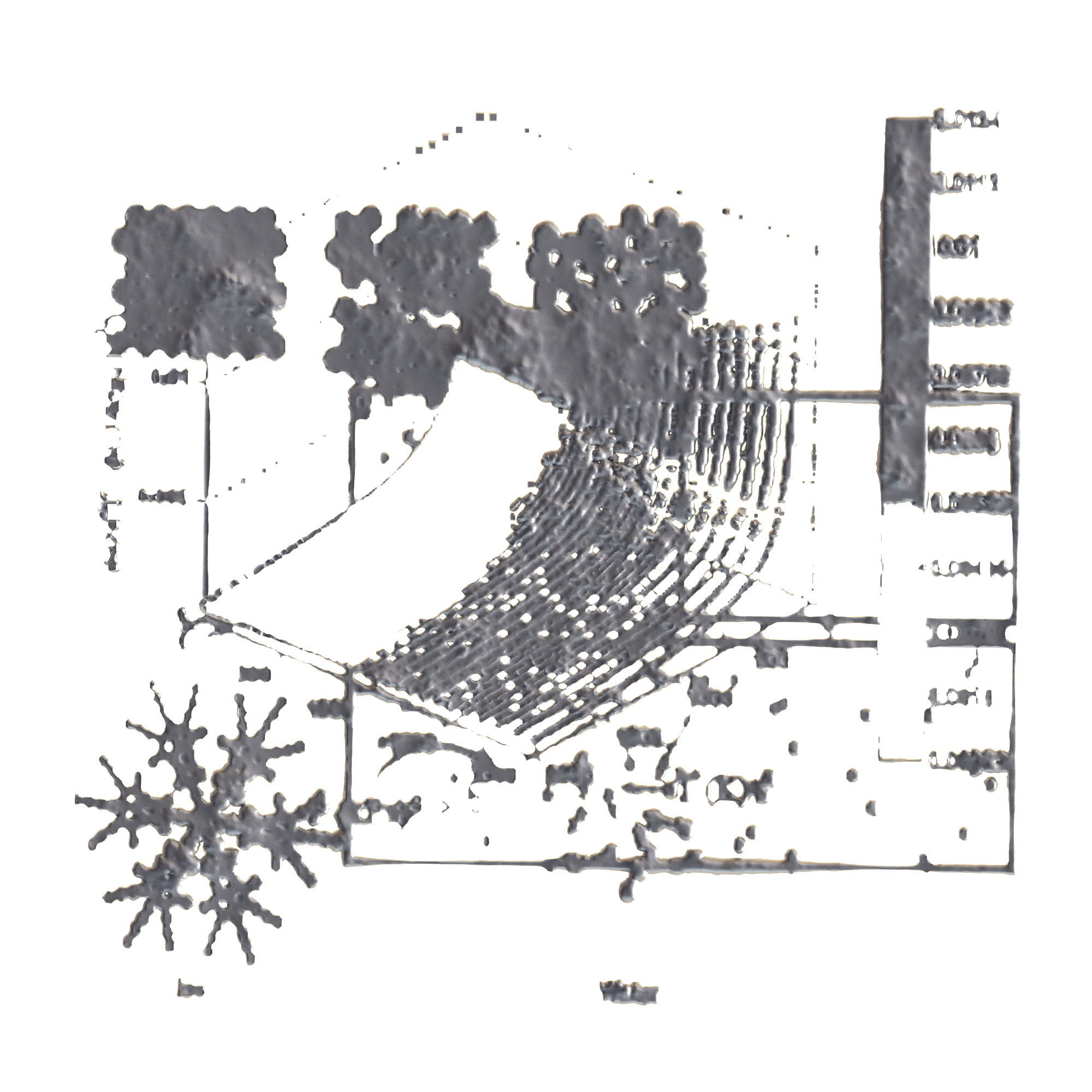
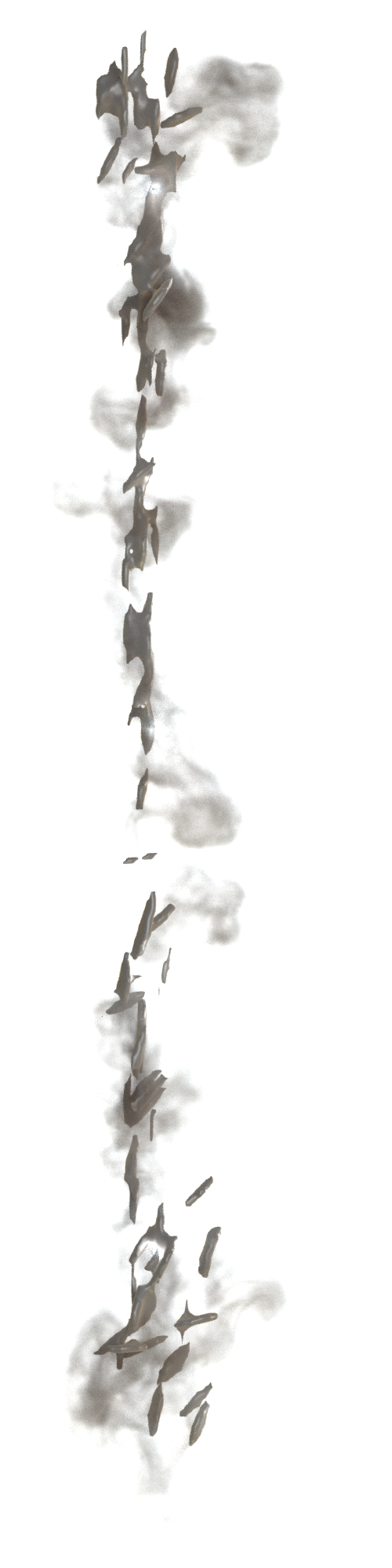
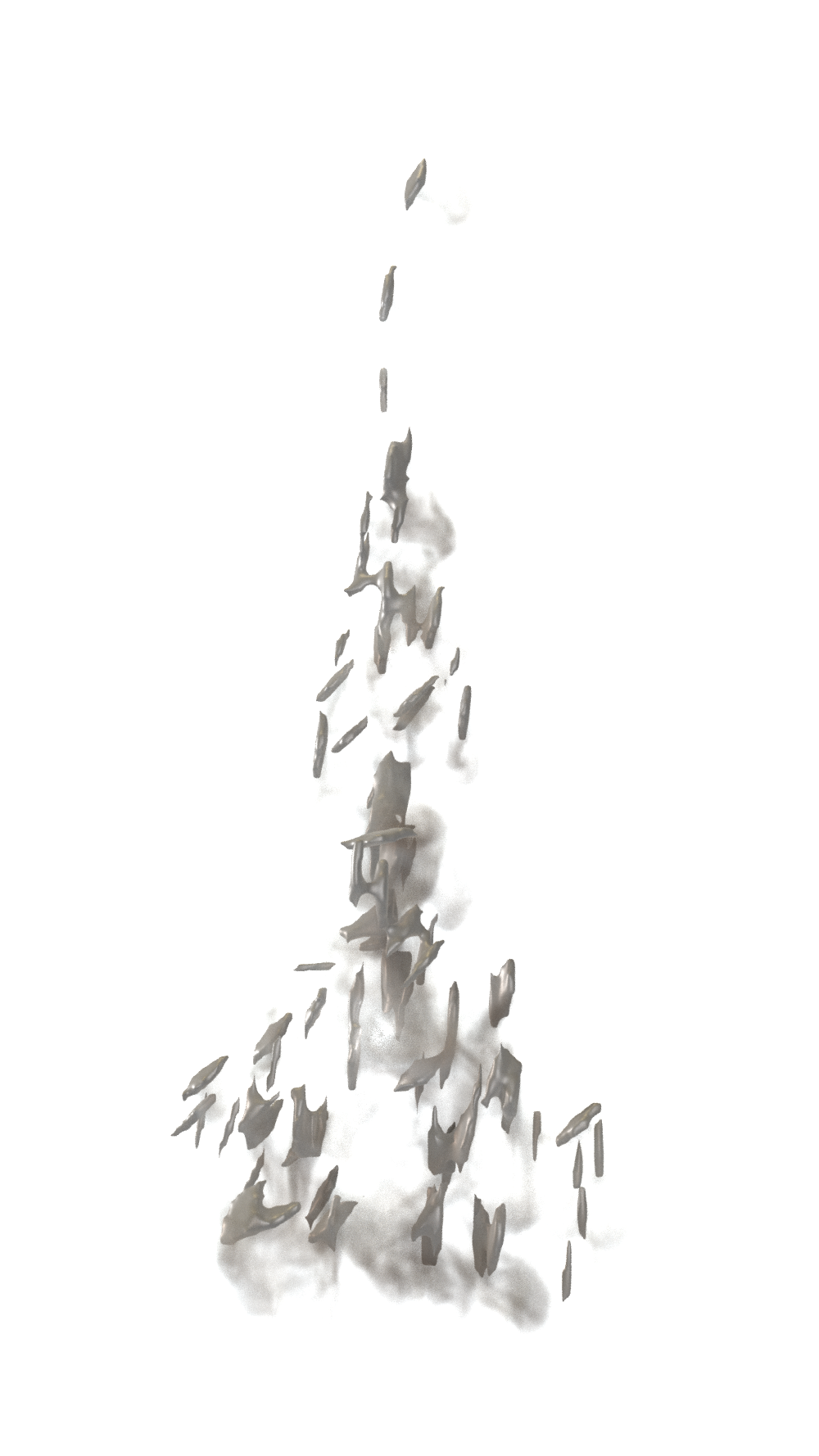
Thermodynamic processes apply to sociality, not because they are also able to describe the human being in the form of transcendental laws, but because human sociality is dependent on the processes of intensification, expansion and leveling of thermal energy. Human life can only sustain itself in its facilitation through the use of energetic differences and must inevitably develop along the thermodynamic processes. This must be the content of a materialist turn, in which the metaphor of fire and entropy as the essence of human nature is not deprived of its fundamental legitimacy, but can be treated reflexively (scientifically) in materialist actuality. In the transformation of metaphysical independence to materialistic dependence, the metaphorical is to release its potency to fix the immanence of the human being to the natural processes of this planet as social consciousness, without negating the nature of linguistic constructivity, on which sociality is equally dependent.
...
In order to consolidate the progress of reality-congruent knowledge in a social metaphoric, we must not follow the projection of monotheistic faith in resolving processes into entities, but rather connect with the opposite direction of natural science, resolving entities into processes and their interdependencies. In the debate about what we call the ecological catastrophe, the thermodynamic regime is supposed to ensure this, since it gives entities such as the climate or CO2 a legitimate and functional meaning only in the specific context of their thermodynamic processes, as well as subverting the human relationship to "nature" and "the world" in recognizing the energetically defined dissipative structure of the anthroposphere in the biosphere.
"
"
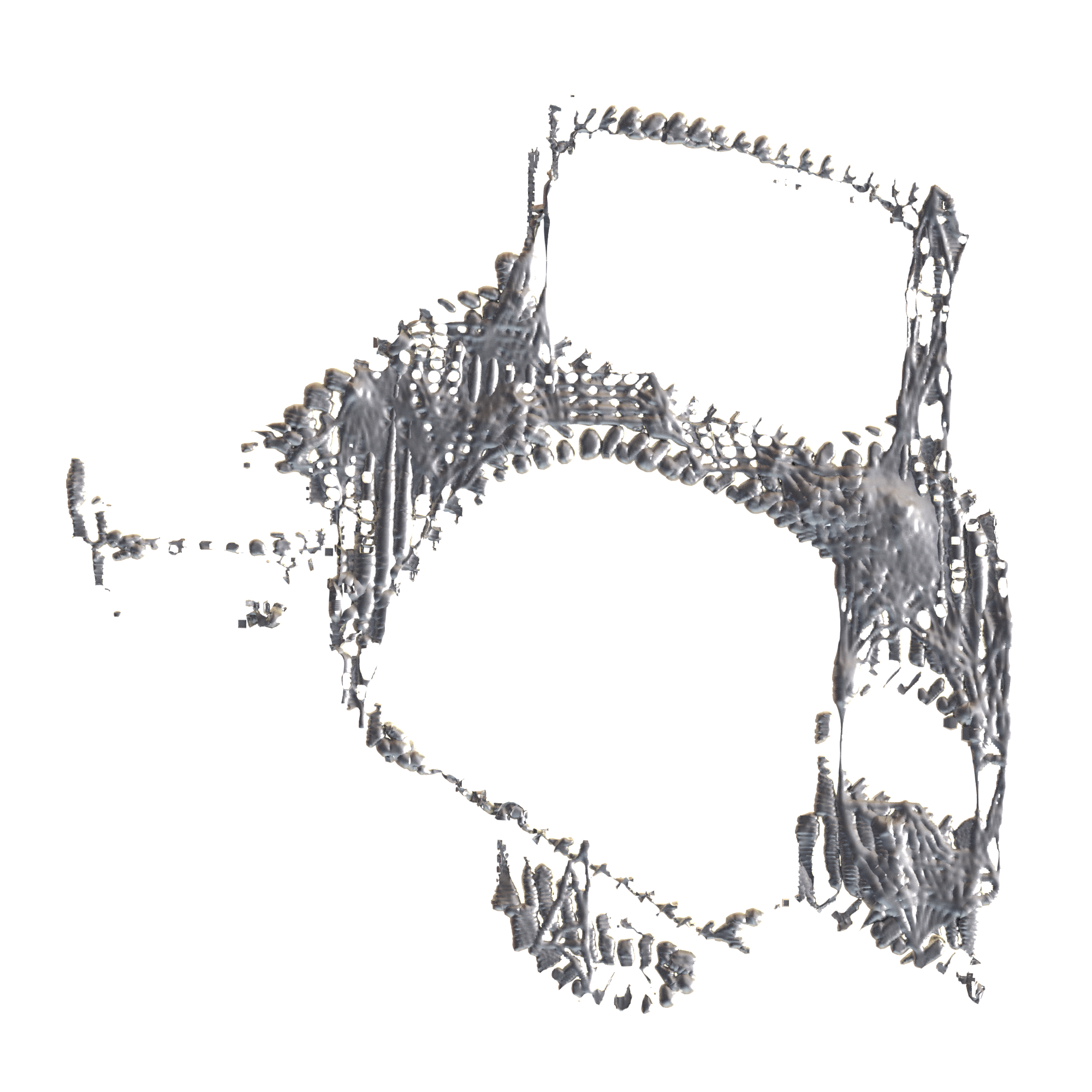
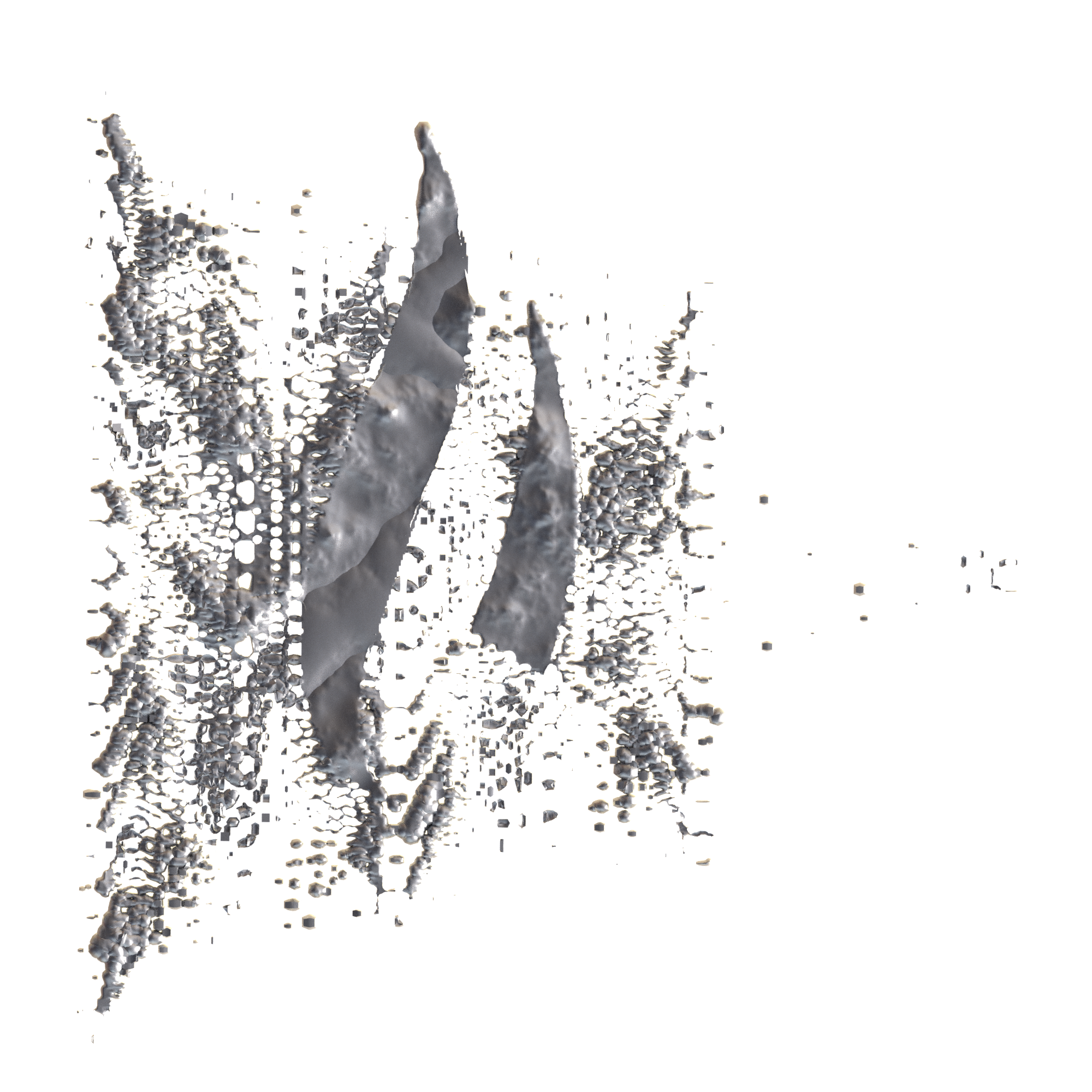
Just as the field of cybernetics had its origins in warfare for determining missile trajectories, the Internet was created as a US military communications network, called ARPANET, which in the event of a Soviet nuclear first strike was intended to allow essential coordination just fast enough to ensure that the other side could also be wiped out by nuclear means. This macabre arms race of connectivity ultimately provided the most effective guarantee of deterrence in the Cold War, as it was only through this increased communication that mutual annihilation became certain.
...
The influence of the people in the form of direct satisfaction surveys has been as essential a part of the feedback loops of the cybernetic system as any other effort to perceive and fulfill needs. The dream of connectivity is first and foremost what fundamentally differentiated Project Cybersyn's attempt from the Soviet economic model. Beer claimed that installing a centralized data repository was a technological necessity, which he regrets and which obscured the truly decentralized approach.
...
The potential of connectivity is maximally ambivalent; it simultaneously contains the fully formed possibility of impenetrable control as well as self-determined and emancipatory communication. In this way, the Internet can be a place of imagination from which the possible world inscribed in technology emerges.
"
"
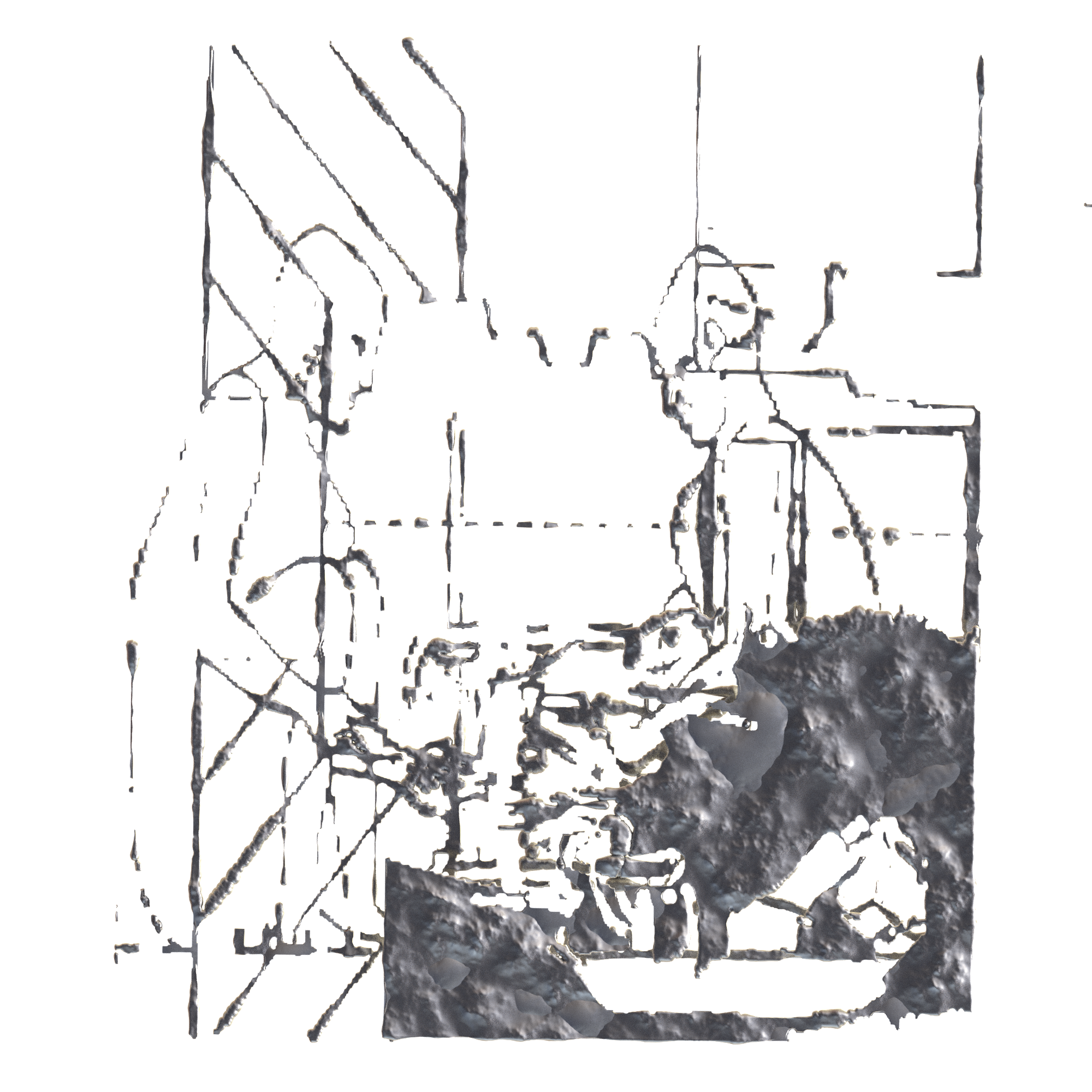
Technological narratives mainly fostered by the primary figurehead which is the male CEO are a crucial element in maintaining the oppressive potential of algorithms. In cultural reflections as well as individual psychodynamic desire towards specific images of success and authority the CEO plays a vital role. Consequently in this paper the figure of the CEO as a technocapitalist masculinity not only appears because of the power they hold, but also because they are the most widespread and established role model for successful masculinity and function as an idealized symbol for innovation and domination.
...
The patriarchal technocratic CEO is arguably not in danger of suffering from AI bias himself, but from the violation of the liberal humanist subject that constitutes his narratives of legitimacy.
...
AI can be manifested as a form of phallogocentric disembodied intelligence, but it can also be weaponized as the currently biggest threat to humanist subjectivity and male patriarchal authority. The ways of its re-embodiment are not linear, but consist of ‘competing, contingent narratives’. Posing AI as a revealing technology towards the deconstruction of authority and agency should certainly not lead to a free pass of uncritical development. Instead it is ever more crucial to empower the individuals that are excluded from patriarchal systems of technoscience. In this way it can be strategically important to make out the human voice between the algorithmic ones. ‘Agency and choice’ need to be recuperated inside of posthuman critique, while their former base of authoritative binaries are deconstructed.
"
"
Productivism was embedded into the aspiration to shape a new form of subjectivity for a new society through envisioning the individuals place of self-fulfillment in the context of establishing a common good. While Farocki’s practice certainly didn’t operate on such totalizing modes of demanding a normative subjectivity, in the dissolving of the boundaries between artistic and techno-scientific labour, as exemplified in the essayistic interweaving of research and expression, a theoretical proximity can still be sensed.
...
The idea is not the ideal, it is a geometric schematic drawn through calculations on a piece of paper, which now is not of paper anymore and the calculations not made by the electric circuit of the brain but the electronic circuit of copper and silicon. The idea is a medium, transported through a medium which "gives you an idea" of what you will try to make a thing look like. It is very telling that today when one describes the classical notion of the ideal one can barely avoid using the metaphor of the ‘blueprint’ after which we bring reality into place. A blueprint is something that cannot exist or even be thought of without its material medium and it represents the constraints of material forces to which the shape of the thing planned has to be subordinated and from which it ultimately emerges.
...
Materialism should mean not to romanticize the material, but to prepare for being ultimately unprepared to the surprises an emergent material change can unleash, as to not encapsulate and prison it into what was expected from it and still hope it will achieve that expectation.
"
"
Under the widely present critique of neoliberalism, it should be banal to point out, but isn’t precisely because of the ambivalence of this paradigm, that investigating notions of freedom needs to be a prime concern of sociological inquiry today. From its genesis in a seemingly unlike fusion between ultra-liberal hippie culture and technocratic computation prodigies, to their looming alliance with reactionary right-wing forces today, it always was evident in its history that cyberculture’s idea of freedom is a political tool with amorphous, but captivating potential.
...
The dismantling of enlightenment humanist idealism, which began in Marx and today reaches a final insult in the digital distribution of agency as explicated by Katherine Hayles, coupled with the contradictory totalitarian individualism of neoliberal emancipation bore the prevalent atrocious figure of cybernetic subjection. To be free in the network of cyberculture means to be grateful for the freedom to 'be yourself', while the conditions to 'be yourself' are extensively subjected to technological mechanisms of feedback and control. This freedom is in both parts the freedom in expression or production as well as the freedom in consumption. The illusion of autonomous choice seems unmaintainable when the collectivized digital processes of social media algorithms are the processes in which the actualization of individuality forms, however it is precisely the liberated choice of the user that feeds the means of its subjection. The algorithms of digital social networks function as apparatuses of capture that aim to modulate every possibility of desire into a desire to stay connected in one way or another.
...
The individual pathology of overconnecting needs to be challenged by exposing the sociotechnically mediated dynamics of demanding to be addicted. Capitalism is addicted to the network, because it enables capturing and extracting for profit that which would be the only potential source of resistance against it: individual revolutionary desire.
"
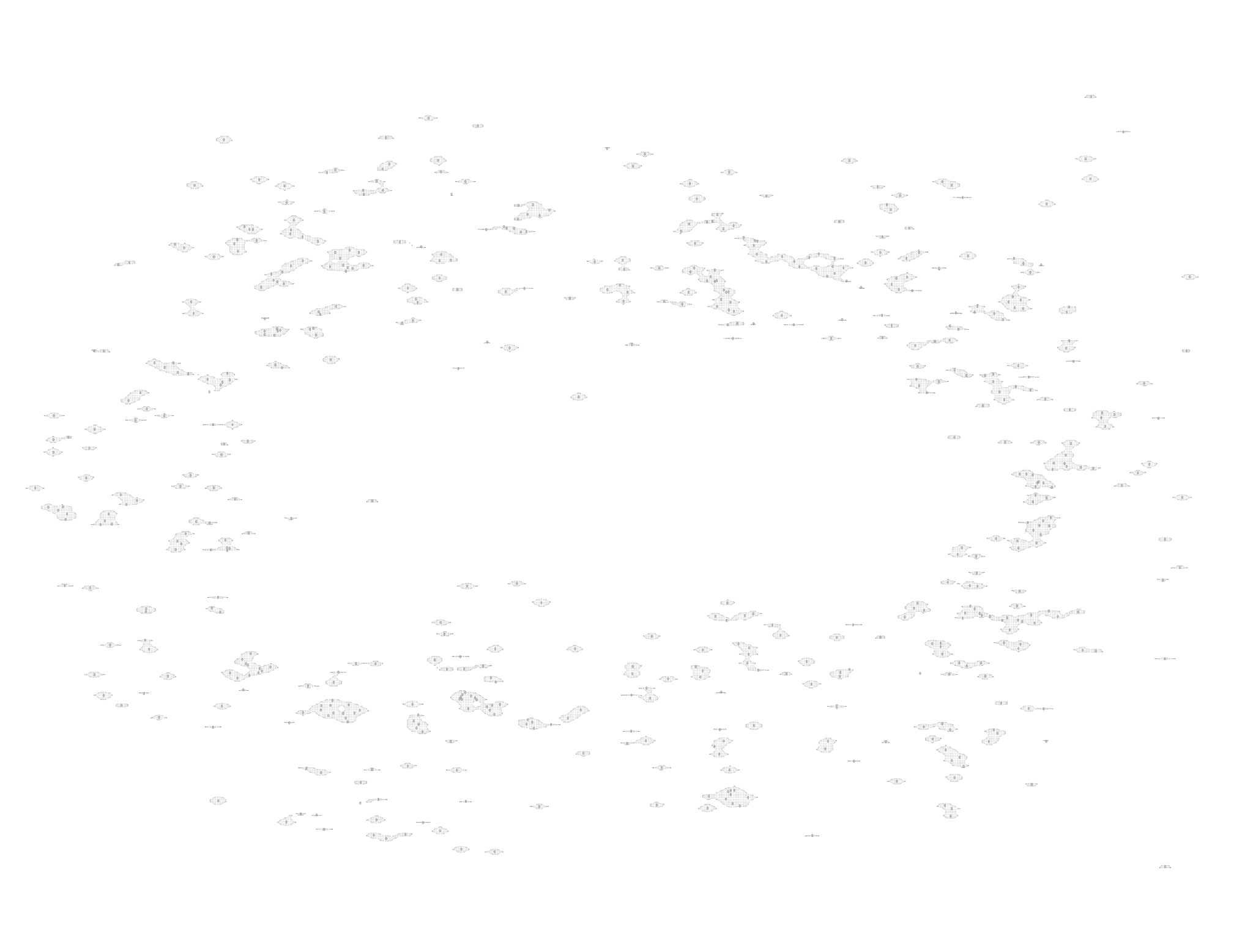

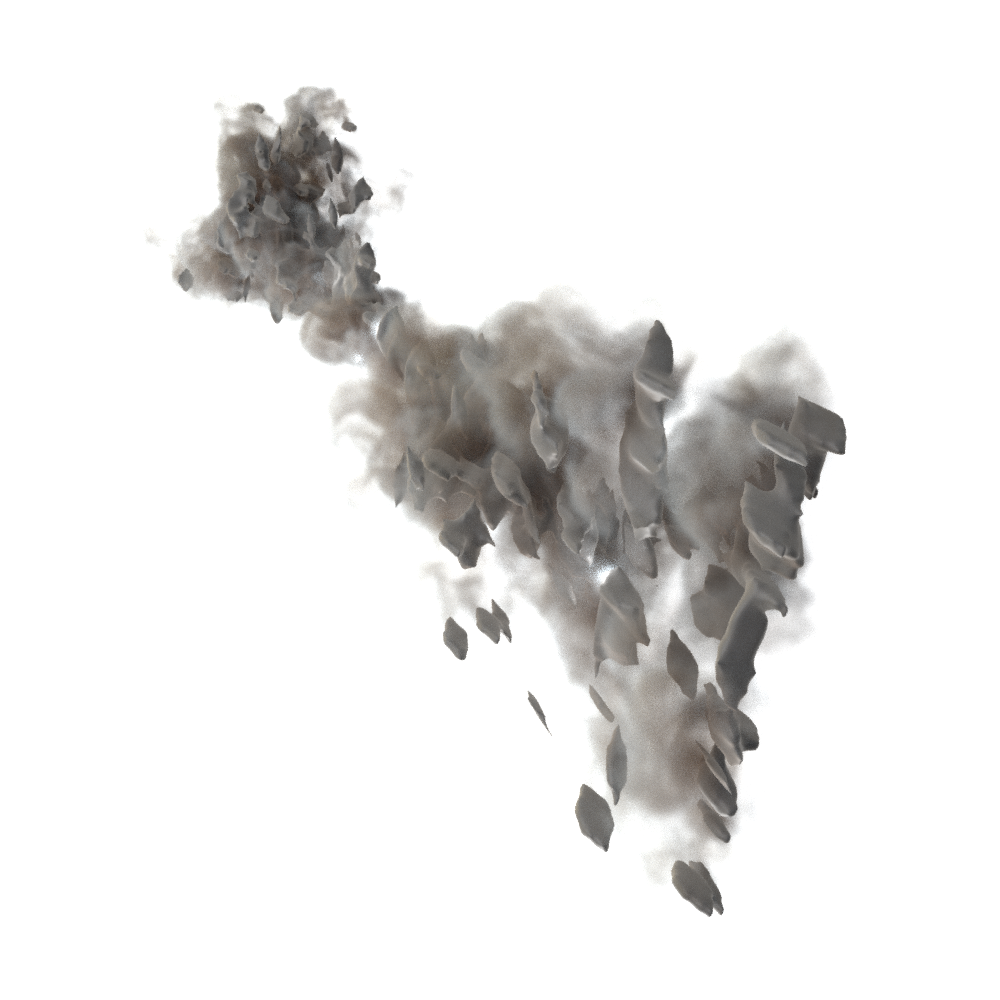
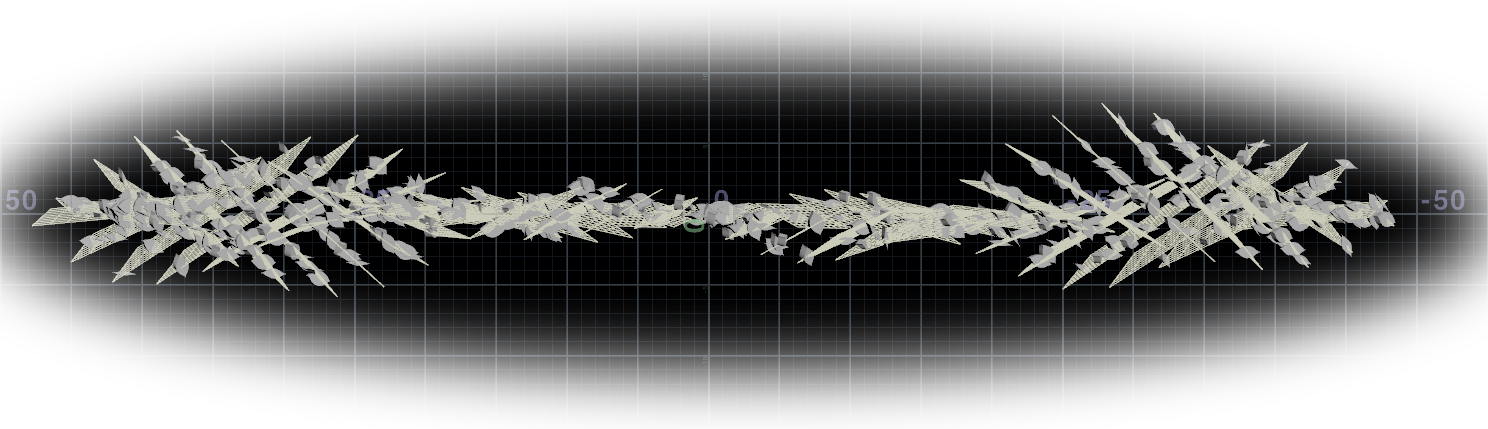
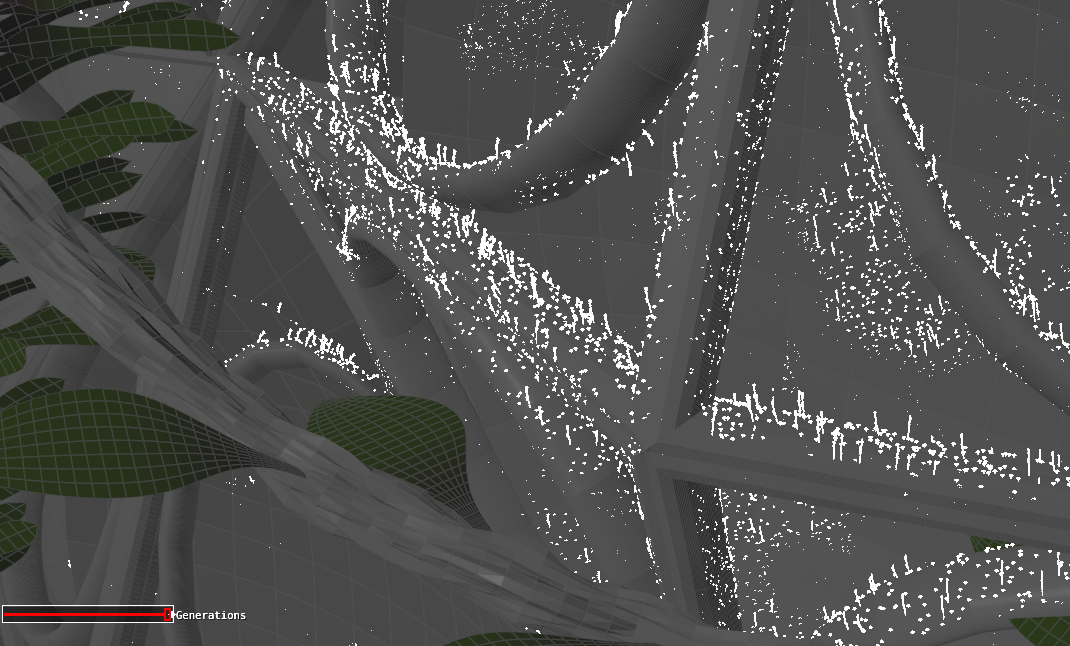
Very basic setup for this portfolio to illustrate the potential of fast variable iteration through procedural systems in SideFX Houdini, which is my main hub and toolchain for visual creation with 4+ years of experience.
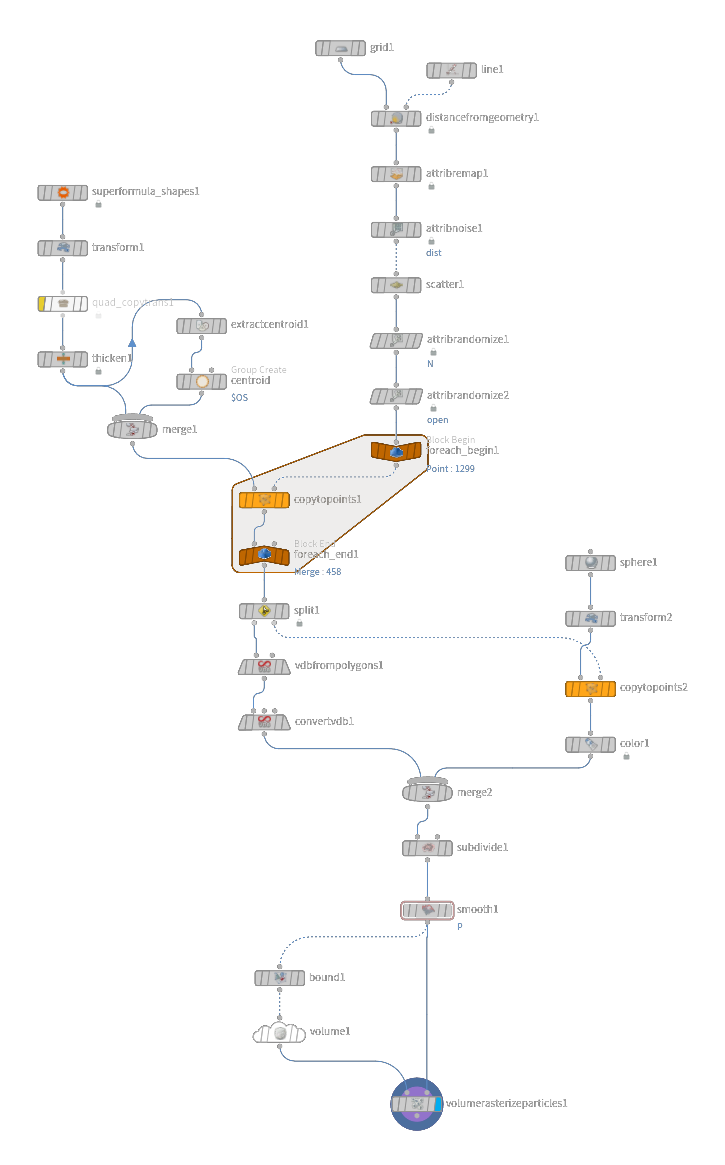


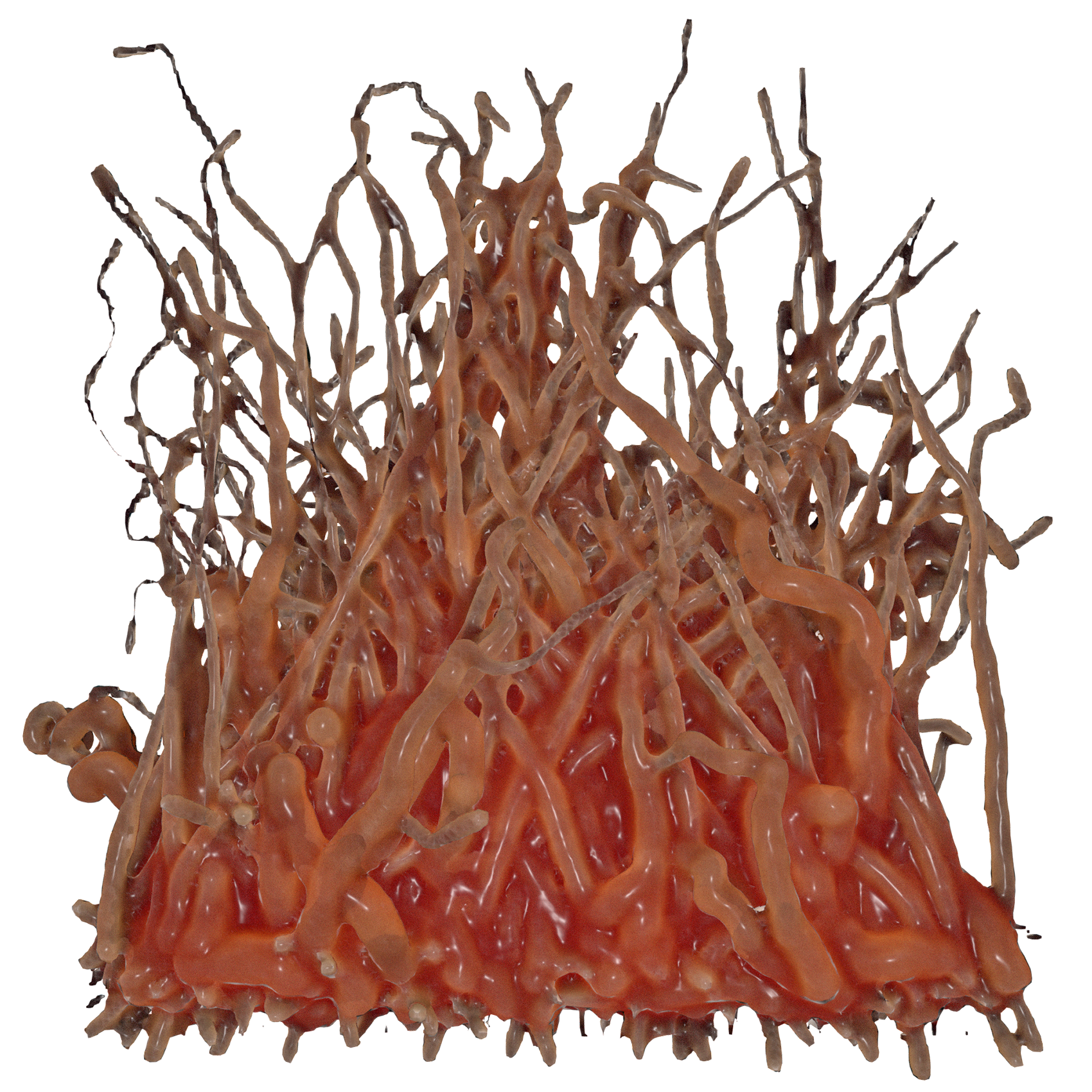
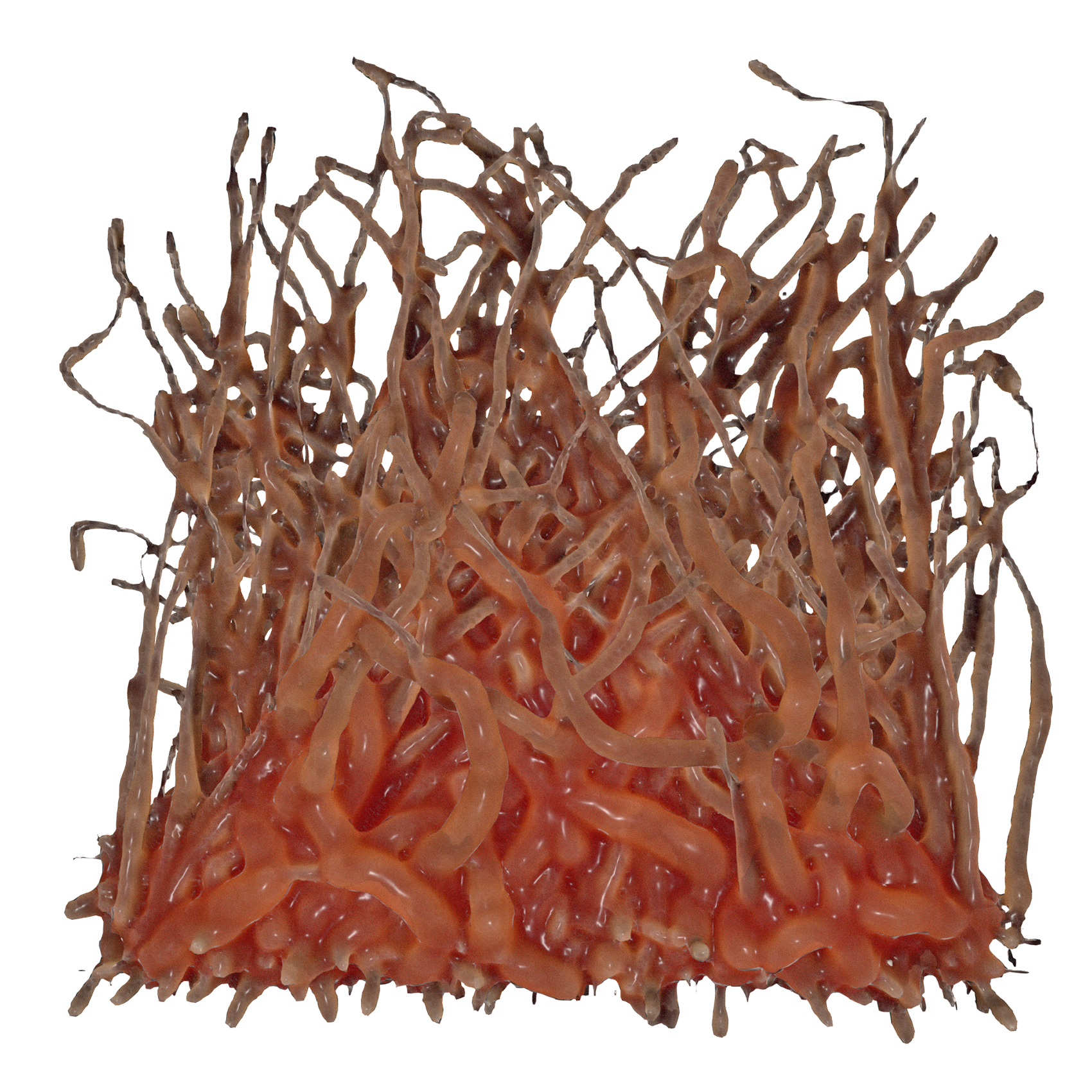

Morphing particle trails guided by attraction points scattered via noise bias over grid. With procedural setups it's easy to get things moving, however VDB merging, for a very organic appeal, and complex surface displacement patterns can increase the baking time per frame additionally to the render time.
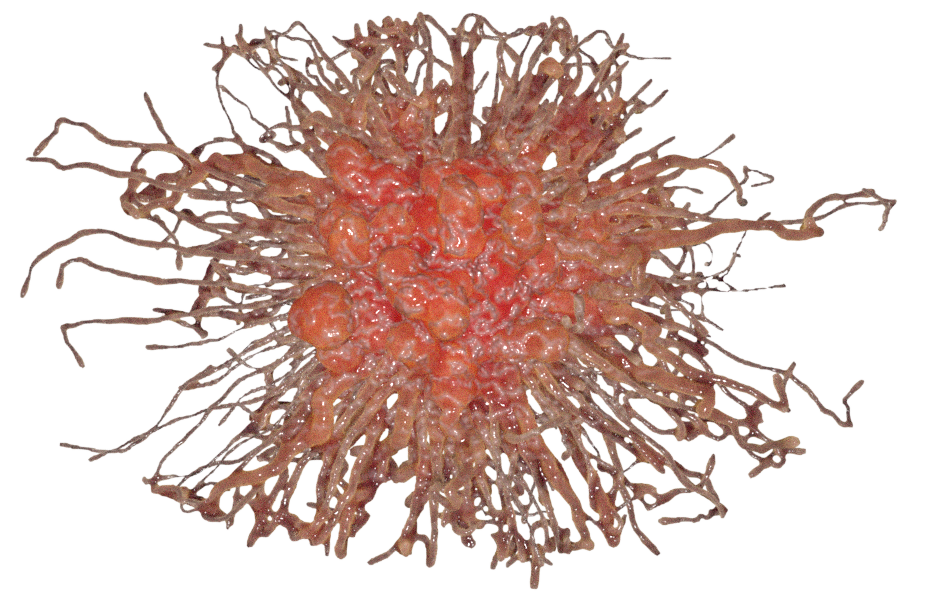
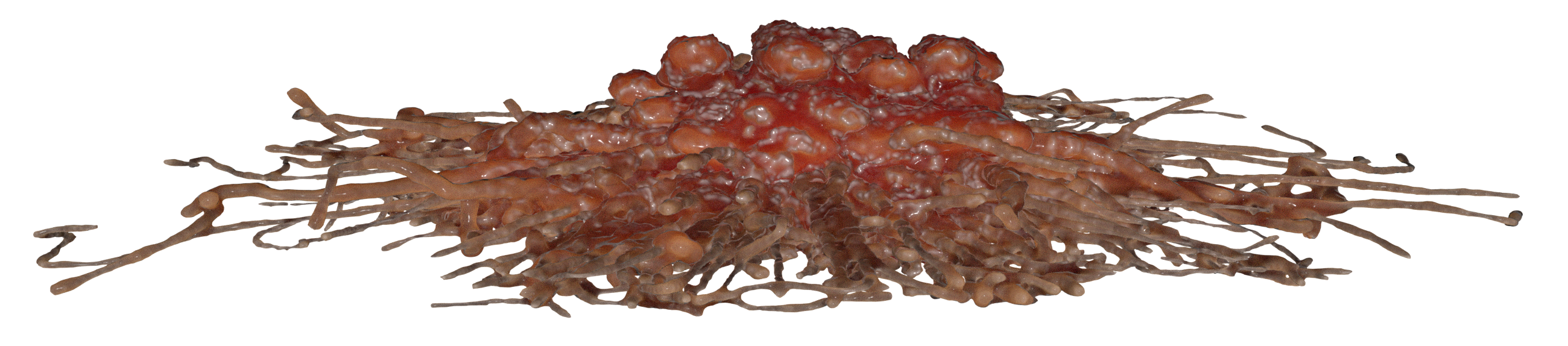
Most elements modeled and animated in Houdini, assembled together with in-engine effects and simulations. Factors like lights, element opacities and post-processing are controllable via Midi.




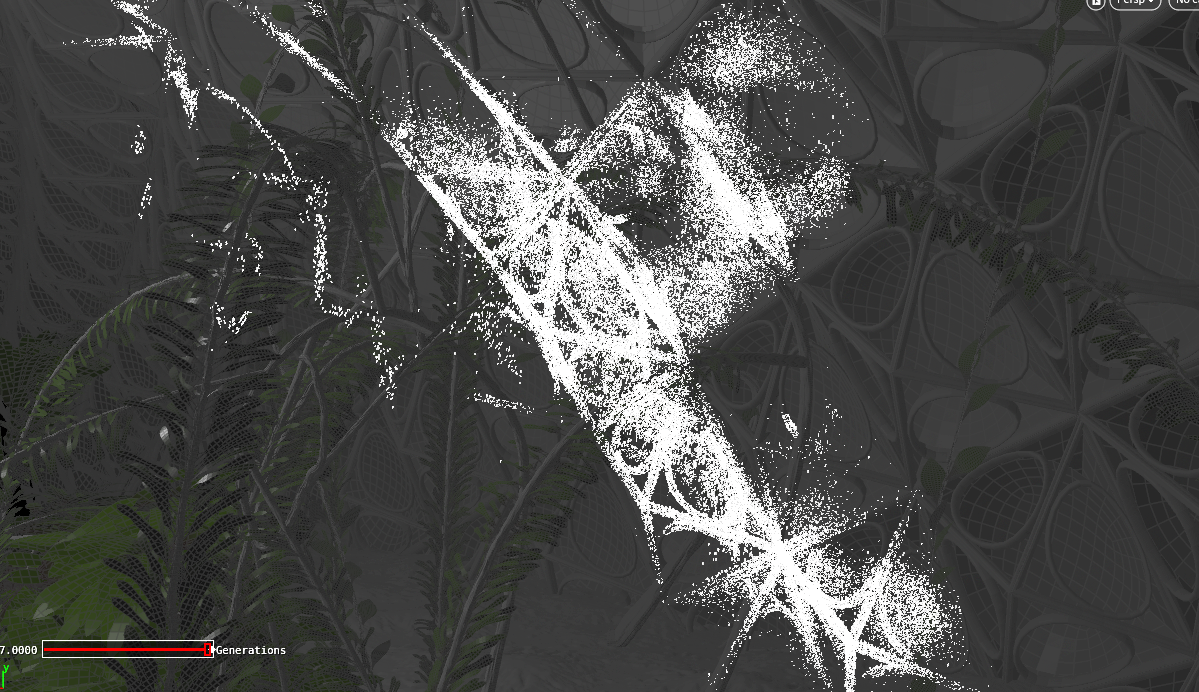
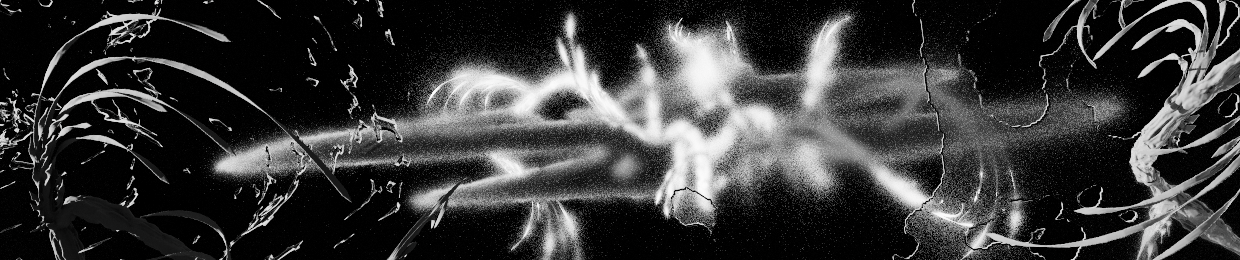
Procedural Halo Ghost Generator: Particle trails produce volumes that can be further animated as well as simulated by physically based pyro model. Efficiently rendered in OpenGL.
The camera does not move, instead all elements move past the camera at different speed to create unique visual combinations over a long time.
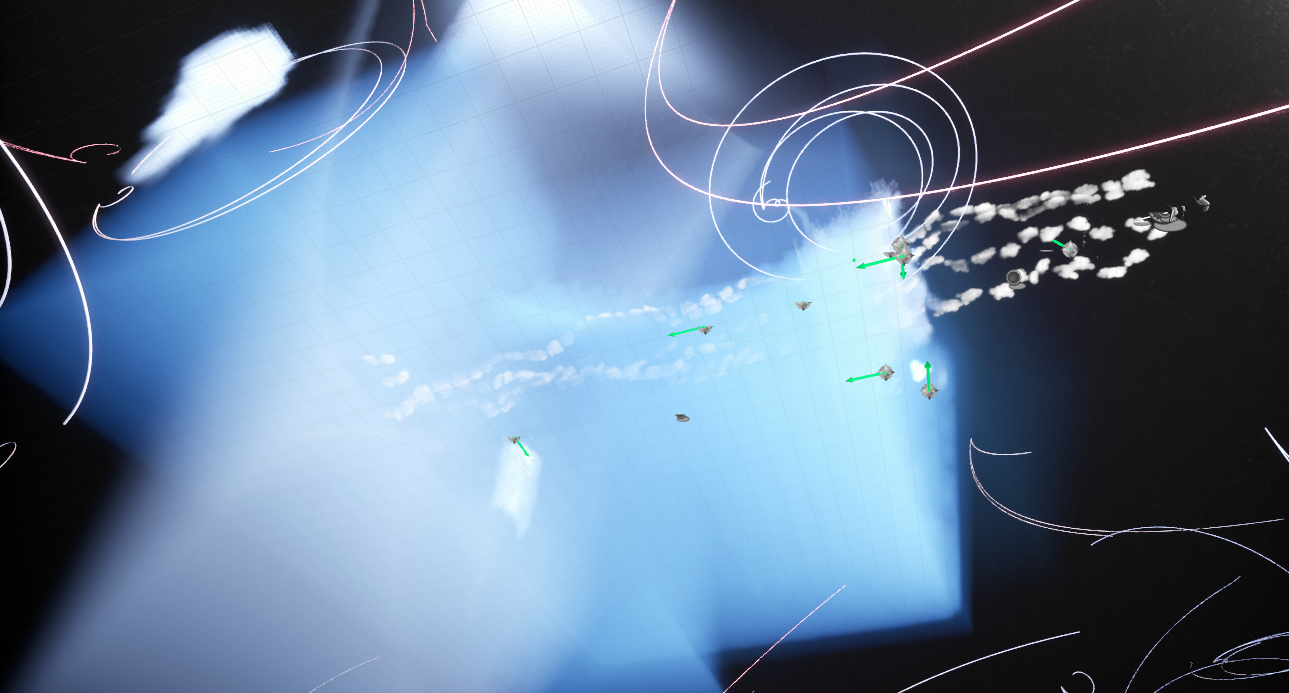
Cloud 'journey' shape guidance.
Using very recent additions to Unreal like the new Niagara Fluid for real-time interactable volume simulations enables to extend beyond usual 'game engine looks' at the high cost of introducing a lot of perfomance and stabilty issues.


My 'manual' for the midi controller layout.



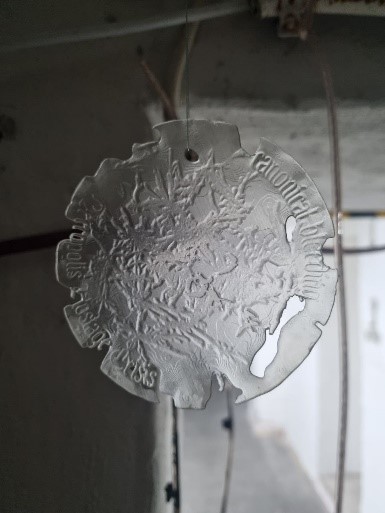
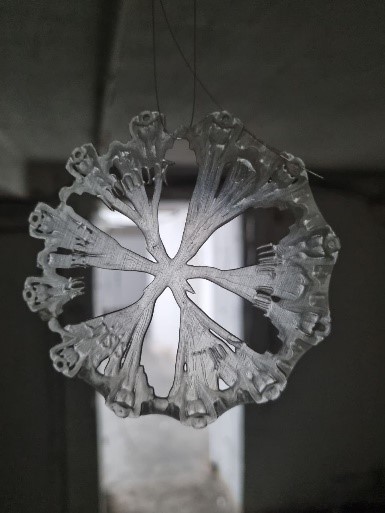
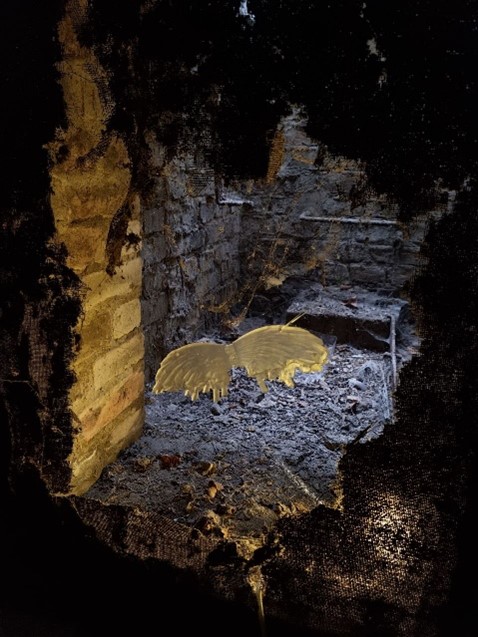
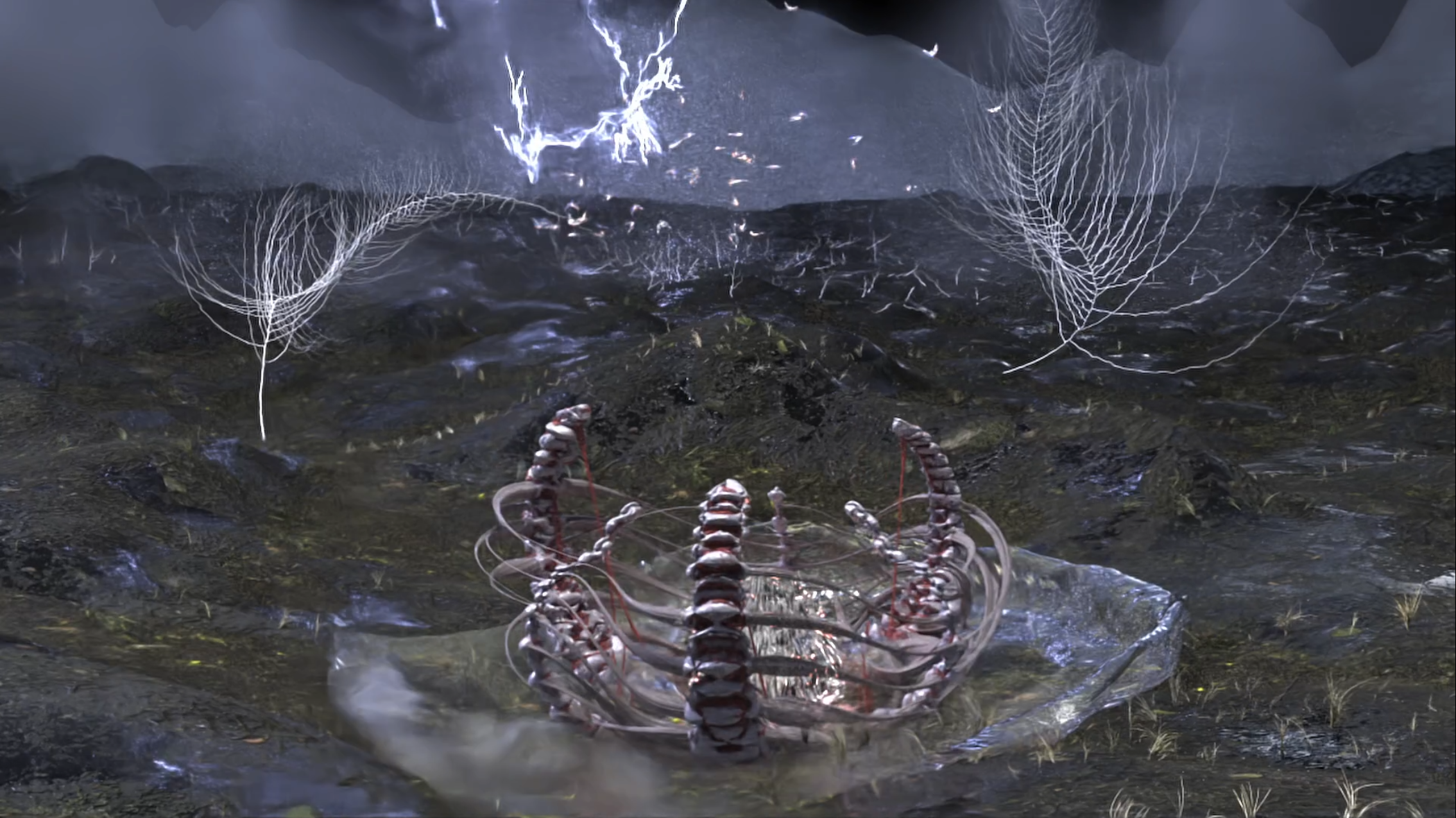
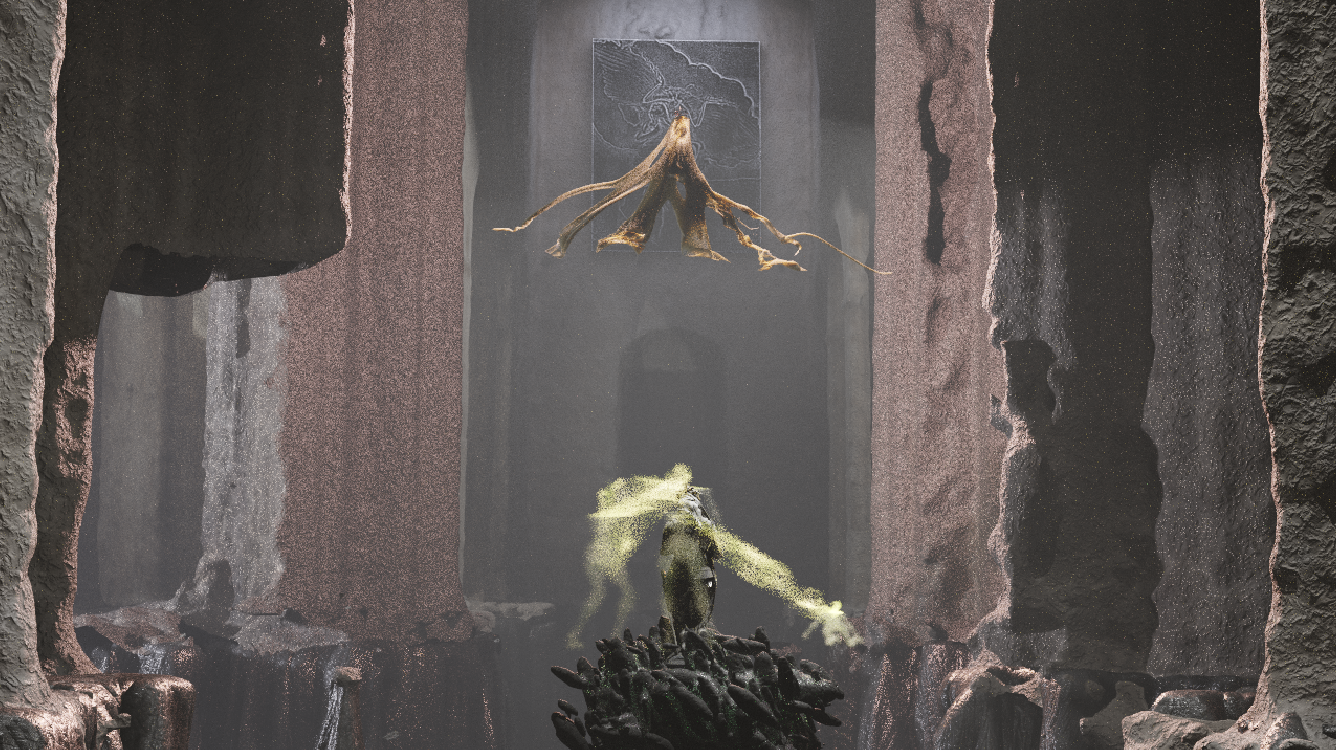
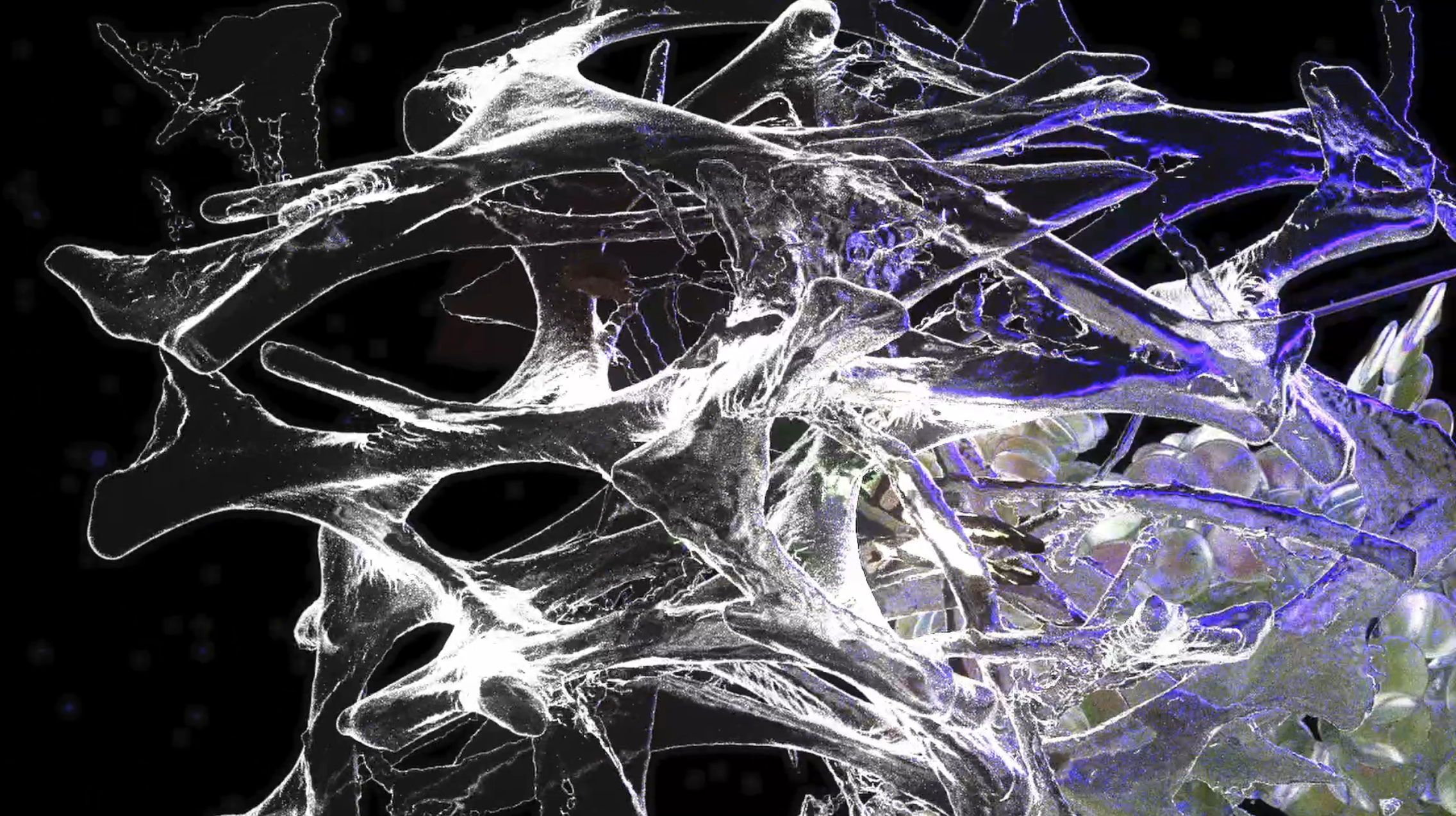
Modeled and simulated in Houdini, rendered in Redshift, partly with exaggerated use of AI denoising. Featuring edited 3D Scans, audioreactive simulations and detailed complex environments, including heavy use of volumes. This project forced me to go to new lengths in the logistical management of rendering time and disk space, which exceeded small scale personal capacities. Excerpts shown below.






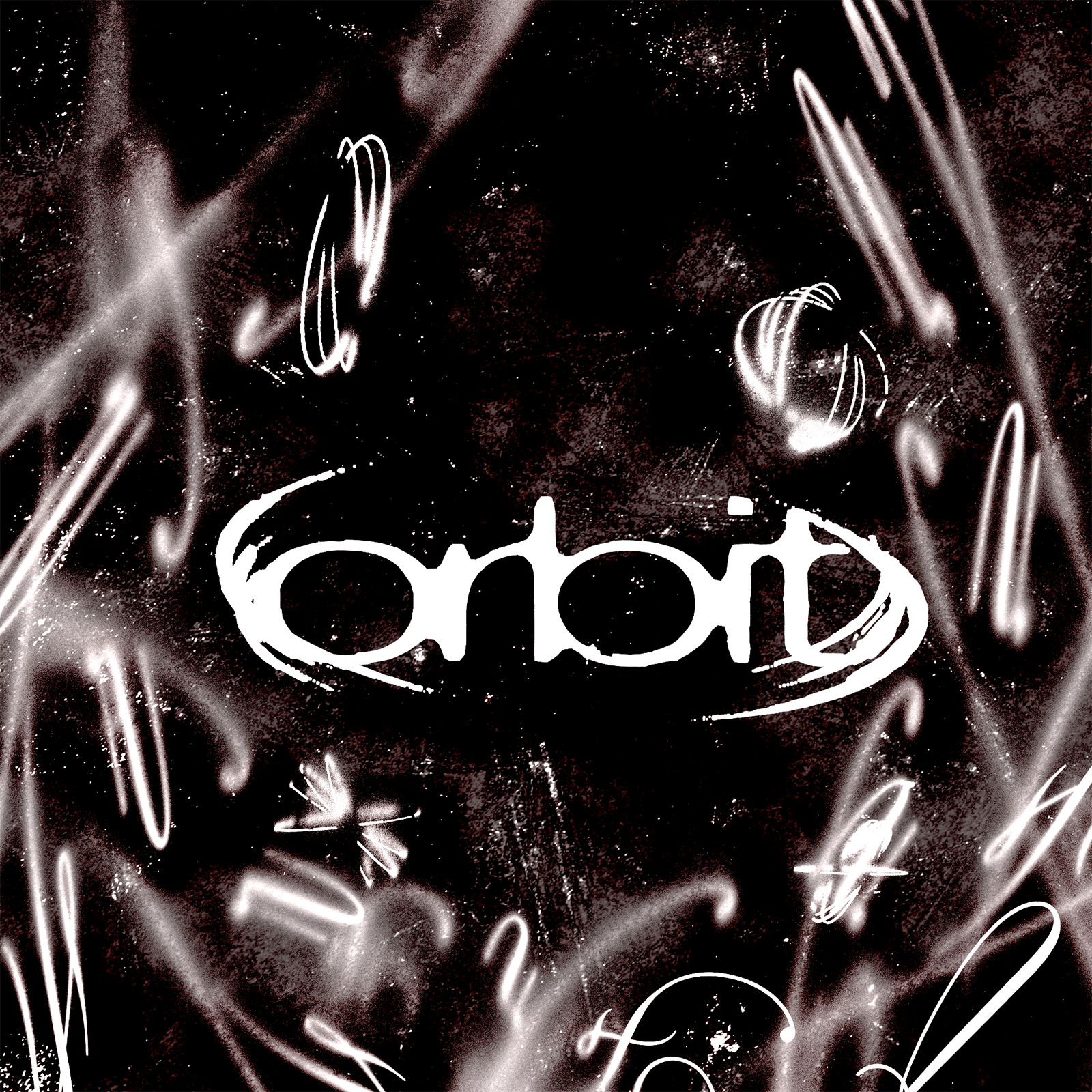
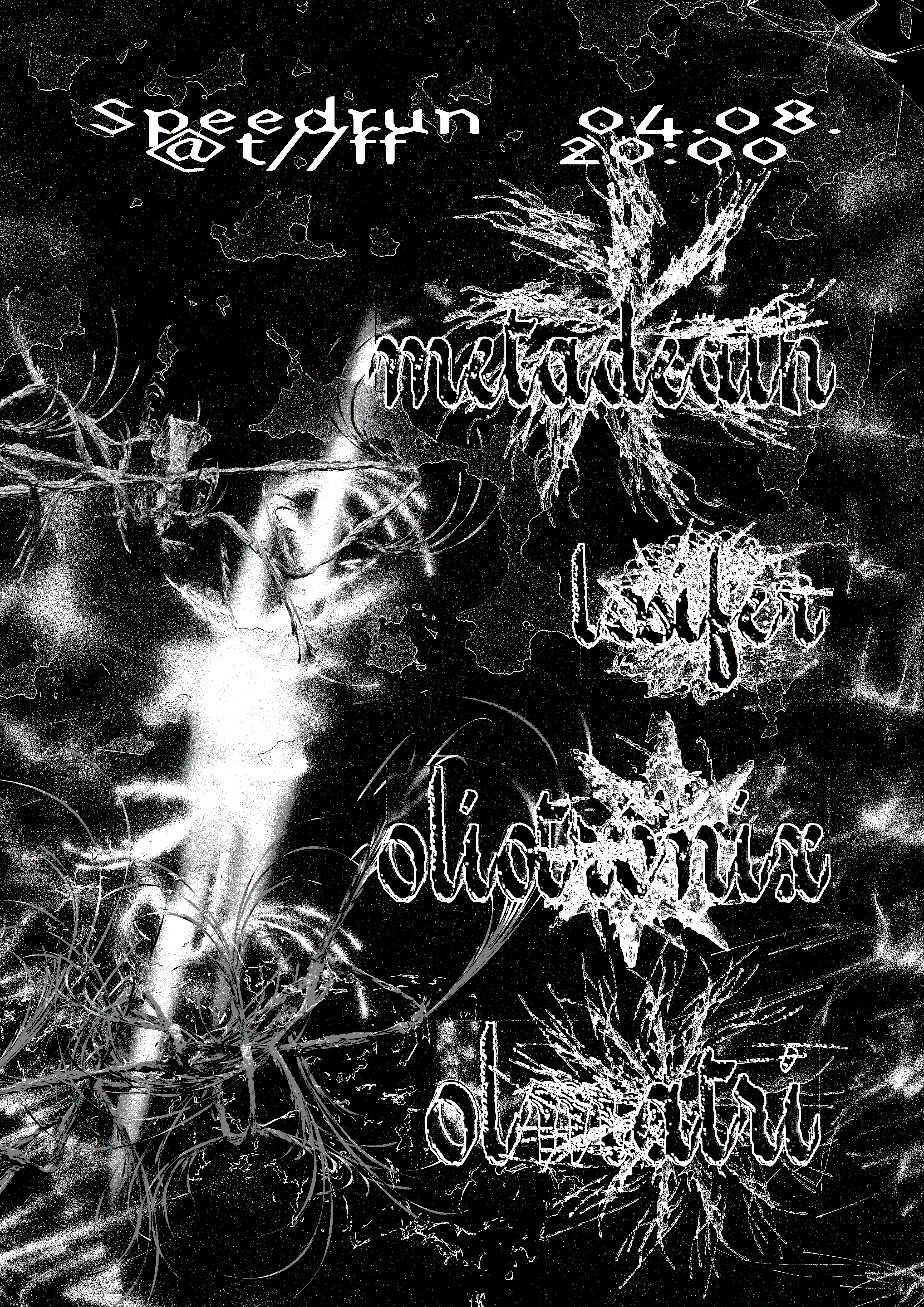
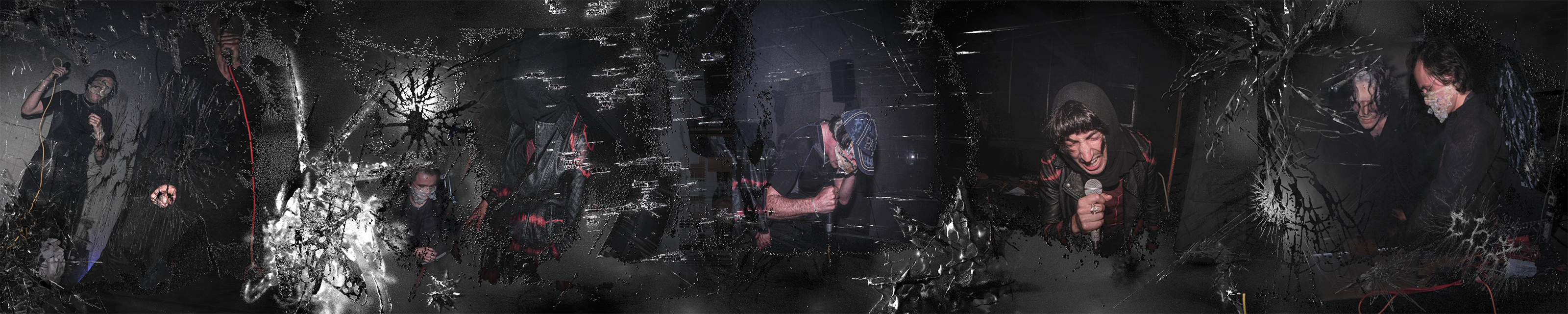
Procedural Workflows are exceptionally suited to establish efficient means to maintain consistent, but variable assets for a visual identity. Constructing node systems for pattern generation allows to produce a large number of designs that are stylistically coherent, but unique in variation.




A dynamic i came to reflect more and more, is that with Houdini's workflow you are tempted to overproduce detail which will hardly be noticible in the final shot, because with procedural systems its easy to populate more areas than which are actually needed.




.png)
.png)
.png)

.png)
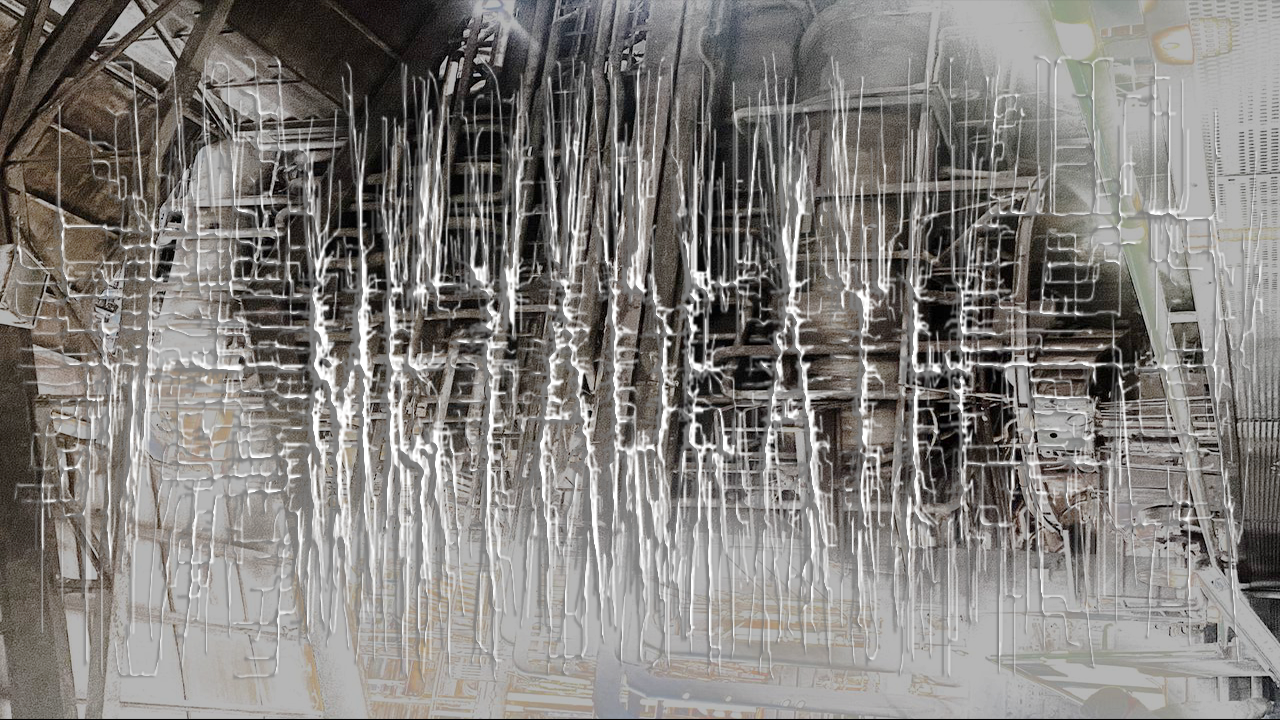
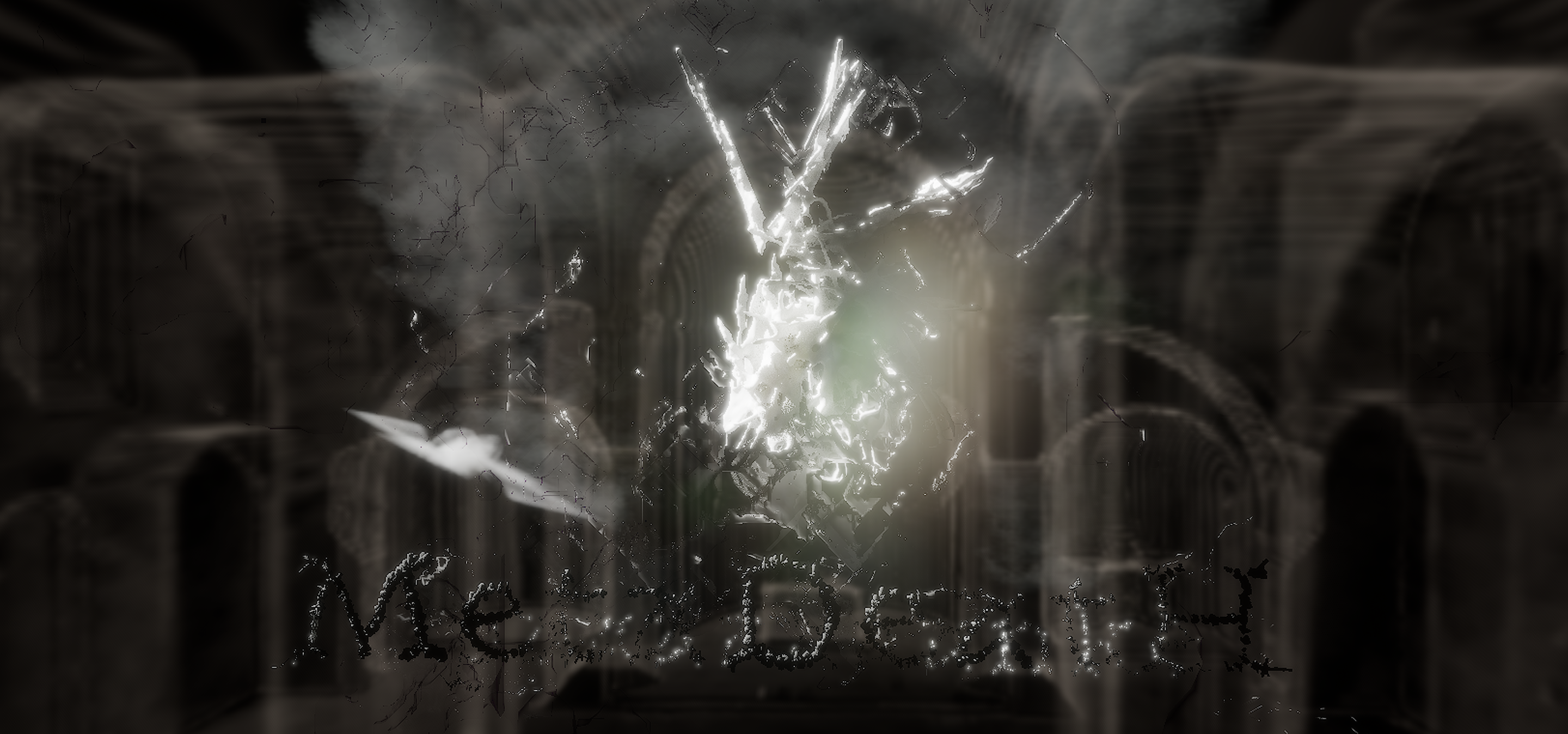
Elements modeled and simulated in Houdini, partially rendered with Karma. Featuring same Halo Generator as in Globbworld. Composited in Nuke.
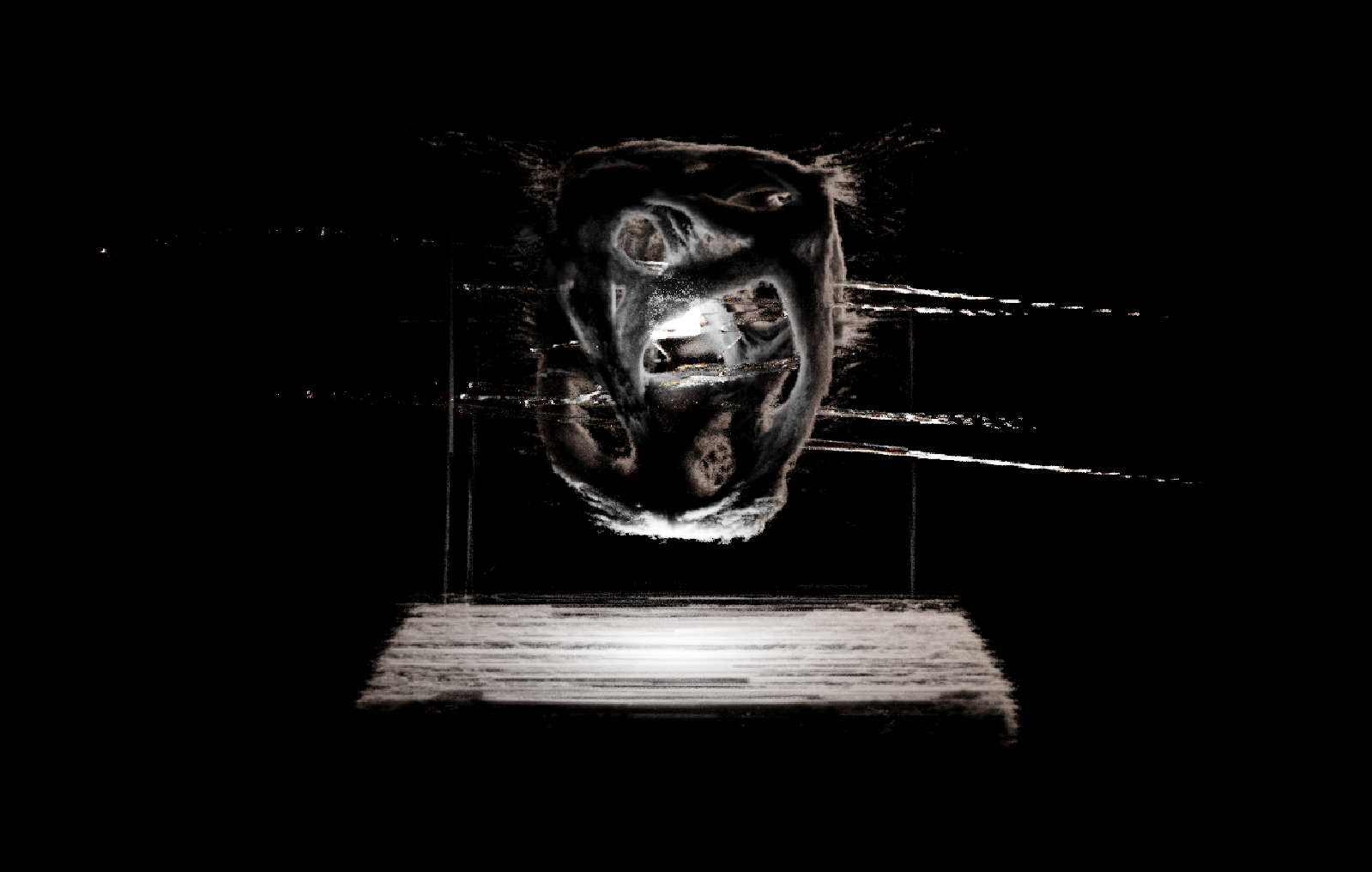
Elements simulated in Houdini, composited in Natron. Short poetry-based audiovisual piece, featuring primitve 3D adoption of Sage Jenson's Physarium Slime Model.
Particle Simulation with Attribute Blur injection, 2D Volume rendered efficiently with OpenGL.